
Summer 2026 ecommerce trends are pointing toward a quieter but more durable kind of growth: experienced sellers are building AI-powered operating systems, launching fewer products, improving established brands, and thinking carefully about acquisitions and exits.
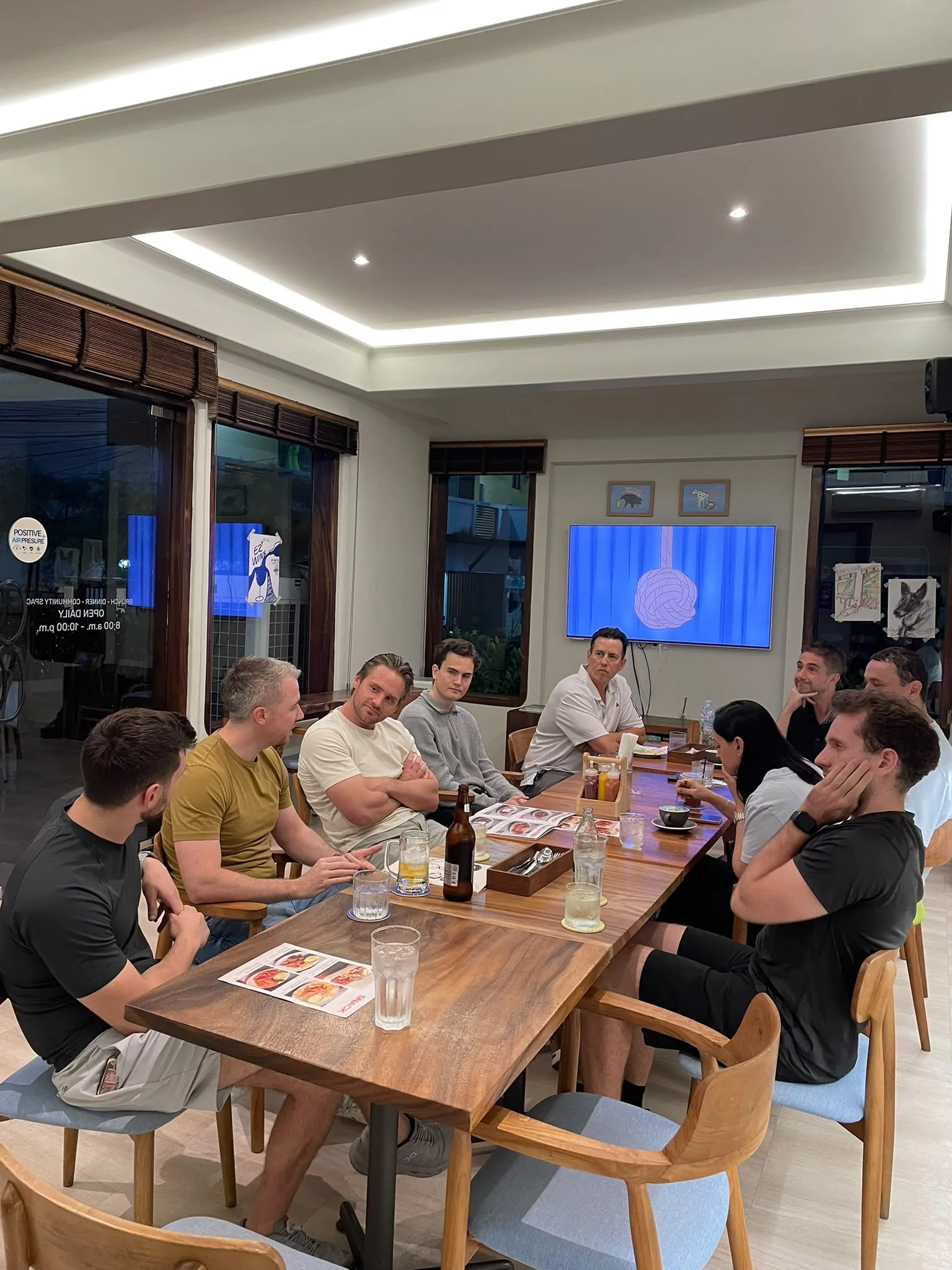
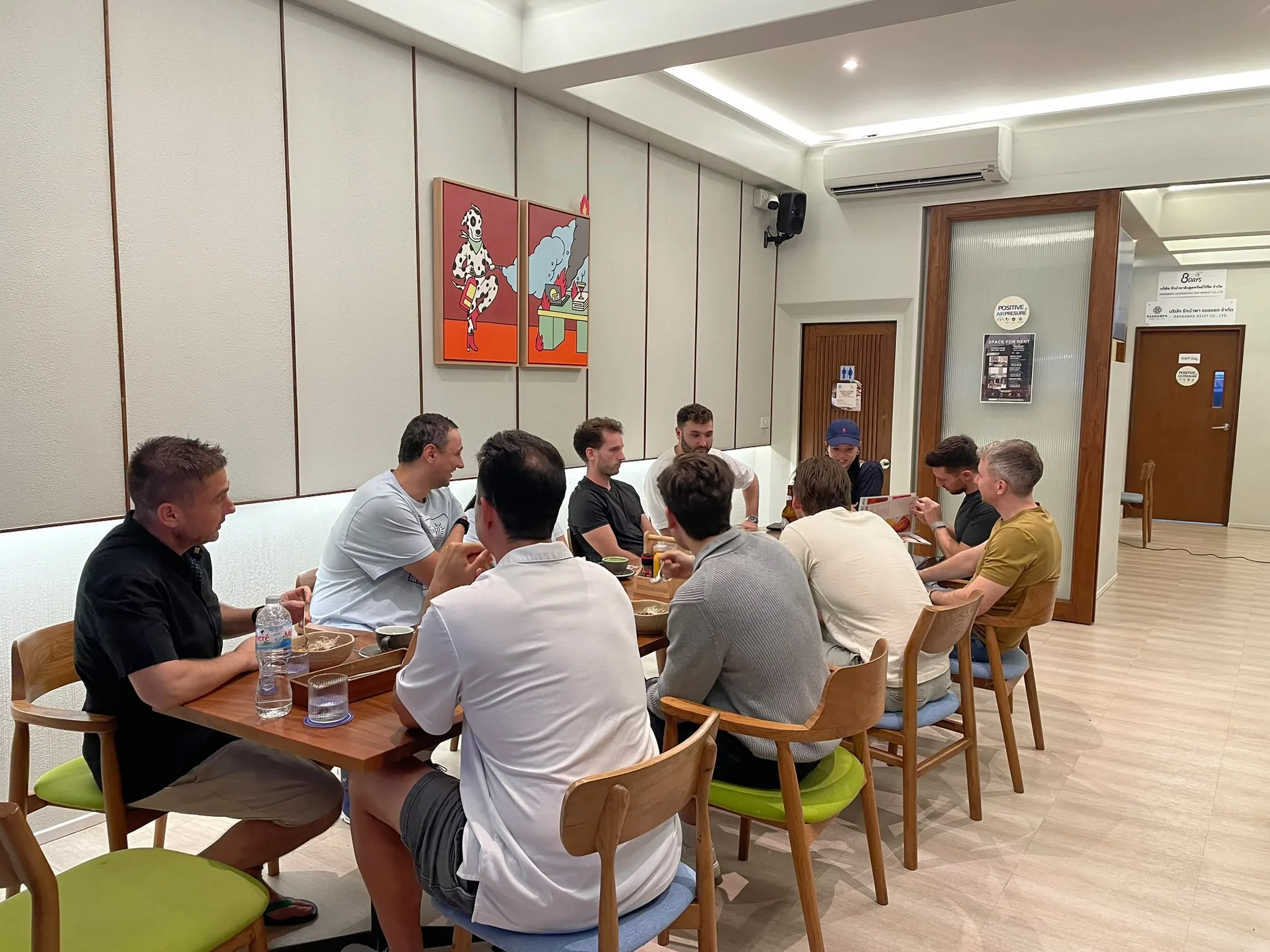
I recently hosted an Advanced Sellers Dinner in Chiang Mai, Thailand, bringing together vetted, established ecommerce operators for an honest conversation about what is working now. This is not a formal market report. It is a pulse from the room, combined with what I am hearing from other experienced sellers in our community.

1. Sellers Are Building Their Own AI Ecommerce Brains
About half of the people at the dinner are actively building software to accelerate their ecommerce businesses. They use different names—hubs, brains, cockpits, dashboards—but the direction is similar.
At the basic level, sellers are importing exported reports. More advanced operators are connecting live data from Amazon, Shopify, TikTok, and other platforms through APIs. They are combining that operating data with company knowledge, historical decisions, and standard procedures to create a second brain for the business.
The real opportunity is not simply another dashboard. It is an AI system you can talk to like an employee, mentor, coach, or consultant.
If a listing starts underperforming, an agent with access to the right data and knowledge base can examine the numbers, compare them with public market signals, identify possible causes, and suggest practical experiments. It may not always have the final answer, but it can surface patterns and questions much faster than a human working through disconnected spreadsheets.
This appears to be one of the clearest competitive advantages for experienced sellers in 2026: they already understand the business, and now they are building tools that multiply that experience.
2. Fewer New Product Launches—But Existing Businesses Are Still Growing
One of the most surprising themes was how many sellers are not launching new products. Some have not launched in years. Others have tried recently and found the process more difficult, expensive, or uncertain than before.
Yet several of those same operators are still increasing sales.
That is reassuring. Growth does not always require a constant stream of new SKUs. Experienced sellers are finding upside in better operations, stronger listings, improved margins, smarter advertising, tighter inventory management, and deeper use of the products and brands they already own.
Some people in the room believe this is partly the result of the Amazon aggregator bubble and the bankruptcies that followed. The market was flooded with easy capital, aggressive valuations, and promises that financial engineering could replace operating skill. That cycle shook out many weak businesses and undisciplined buyers.
The operators still standing have survived the bubble—and many are now thriving after it.
3. Ecommerce Exits Are Possible, but It Is Not a Hot Seller's Market
A few operators are interested in selling their businesses. Some have spoken with ecommerce brokers or listed on acquisition platforms without getting the interest or valuation multiples they hoped for.
They are not in a rush. Instead, they are continuing to operate, strengthen the fundamentals, and wait for a better fit.
This is another sign of a more mature market. A sale is no longer treated as the automatic finish line. If the offers do not reflect the value of the business, a capable operator can keep improving cash flow, systems, and defensibility.
4. The Operators May Become the Next Aggregators
There was even some talk about experienced sellers becoming the next generation of aggregators.
Many people in the room remember the last cycle: finance-focused buyers arrived with polished presentations and spreadsheet models, while underestimating the skills required to source, launch, position, advertise, finance, and operate physical-product brands.
The next model could look very different. Instead of financial buyers trying to learn ecommerce after an acquisition, experienced operators could use their own software, AI systems, data, and operational knowledge to acquire brands they are genuinely equipped to improve.
That does not mean another acquisition frenzy is inevitable—or desirable. But it does suggest that the best future aggregators may be built by operators first, with finance supporting the operating model rather than replacing it.
Why I Am Still Bullish on Physical Products
I am happy to be in the physical-product business. In an AI-driven world, it feels like one of the more defensible places to operate.
AI can make research, analysis, software development, and decision support dramatically faster. But customers still need useful products, reliable supply chains, trustworthy brands, good service, and operators who can execute across borders.
After the 2021 ecommerce aggregator boom and bust, the people left in the market are the true operators. They are building custom software, improving margins, streamlining their businesses, and using AI to become sharper—not to avoid the hard work.
From FOMO to Fellowship at Cross Border Summit 2026
The world is changing quickly, and that makes trusted relationships even more valuable. Many of us are already looking ahead to the 8th annual Cross Border Summit 2026, happening November 4–5, with VIP activities beginning November 3 and additional early activities from November 2.
This year's theme is Fellowship. The goal is to move past FOMO, bubbles, and hype—and invest in real relationships with experienced international ecommerce operators who are willing to share what is actually happening.
The Advanced Sellers Dinner reinforced something important for me: the future of our community should be experienced, high-quality, and application-based. Smaller rooms with the right people can create more value than large rooms built around beginner-level promises.
Let’s keep pushing into this new frontier of international ecommerce and AI—together, as operators.
Comments